
Set-Jetting: How to Tell a Compelling Hotel Brand Story for Your Luxury Property

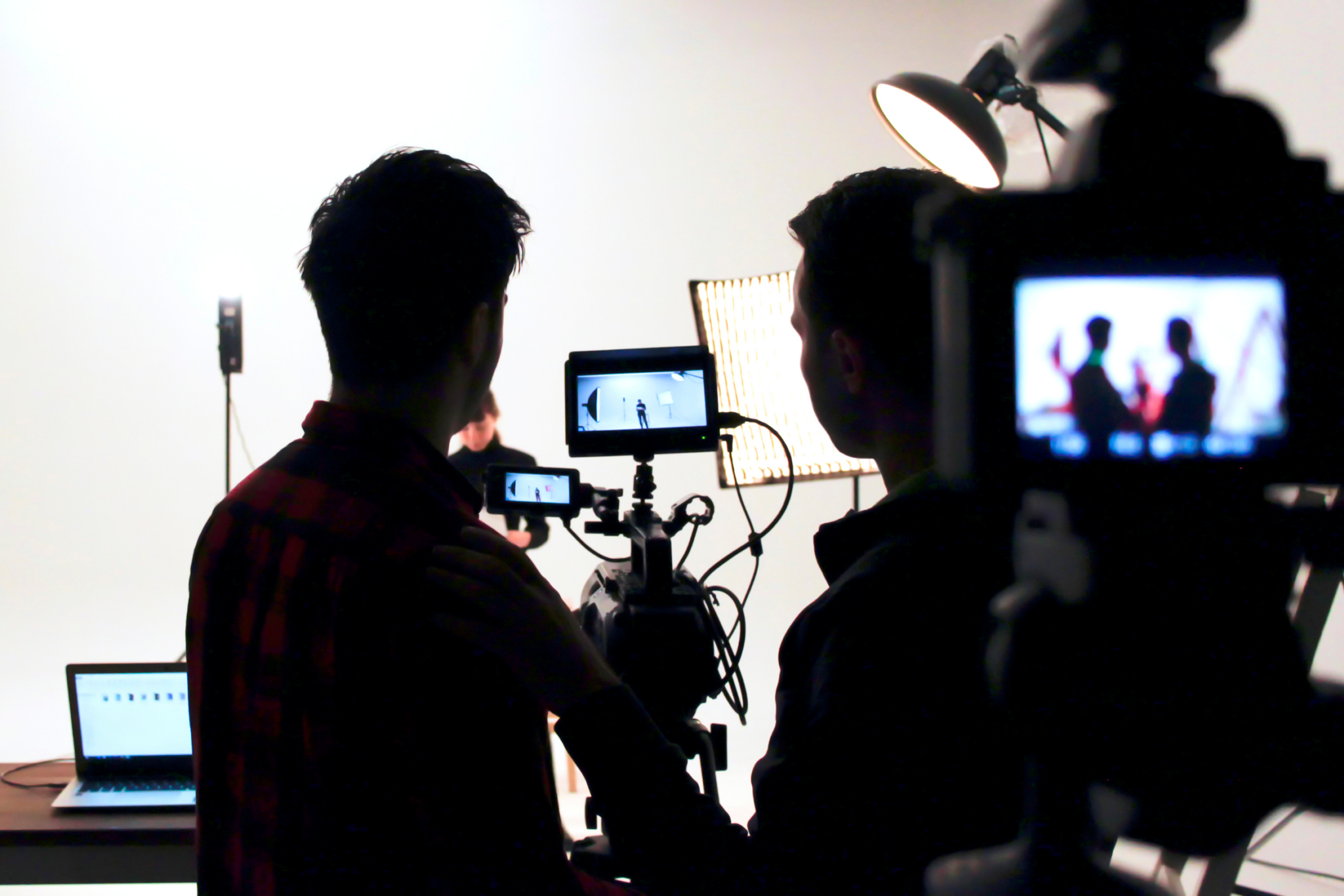
On-screen locations are increasingly becoming high-demand travel destinations as visitors flock to places featured in shows such as The White Lotus and Succession. This set-jetting trend shows that viewers are inspired not only by beautiful settings, but also by local traditions, cuisine and characters. They want to become part of the story, however romanticized it may be.
Luxury hotels can harness that same emotional impulse without appearing in a major production. By developing an authentic hotel brand story, your property can help prospective guests imagine the experience awaiting them—and understand why it is different from anywhere else they could stay.
Why Storytelling Matters in Luxury Hotel Marketing
Research cited in Expedia’s travel trend reporting found that more than half of travelers had researched or booked a destination after seeing it on screen. The first two seasons of The White Lotus also contributed to a reported 300% increase in travel demand for Hawaii and Sicily.
It is no surprise. Travelers have envisioned their dream destinations through stories long before set-jetting became a trend. The strongest luxury hotel marketing captures that desire by selling more than rooms, amenities and attractive surroundings. It communicates a distinctive sense of place and shows guests how staying at the property could make them feel.
Build Your Hotel Brand Story Around the Guest
Every traveler considering your region has a sketch of what they want their trip to look like, even if it only exists in small flashes and ideas.
A visitor to California wine country may envision hillside vineyards, lavish table settings, a cool evening terrace and an afternoon soak. Coastal Maine may conjure rocky coastline, abundant seafood and hiking through lush vegetation. Hoteliers have a term for these: itineraries. If you can thread yours into a narrative with a beginning, middle and end, you have a winning content opportunity.
Your hotel brand story should place the guest—not the property—at its center. Consider who they are when they arrive, what they experience during their stay and how they feel when they leave. A guest may arrive tired, energized or curious. Across their stay, your experiences can calm, inspire or challenge them. By the end, they leave with new stories and perspectives to share.
Create different versions of this journey for your most valuable guest profiles, from couples seeking privacy to families reconnecting or travelers immersing themselves in local culture.
How to Craft a Compelling Hotel Brand Story
Source photography, looping video, local narratives and descriptive content that breathes life into your experiences. Guests with an inkling of what your region feels like will feel validated and motivated to book.
Avoid relying on generic luxury language. Words such as “unforgettable,” “exclusive” and “world-class” mean little without specific details to support them. Instead, highlight the people, history, sensory moments and local experiences that could only belong to your property.
Thread these stories throughout your other digital channels. Organic social video, carousels and paid hotel advertising can carry prospective guests along the journey and guide them back to your website.
Use Storytelling to Win More Direct Bookings
When travelers reach the final planning stages, they often compare properties offering similar locations, amenities and pricing. At that moment, they may leave an OTA or social platform to visit each hotel’s website directly.
If they find generic text and uninspired stock photography, they may choose the competitor that more closely reflects the vacation they envision. An effective luxury hotel website design brings the brand story into every stage of the guest journey, from initial inspiration to the final booking decision.
Looking for help sharing your hotel’s stories with your most likely guests? Reach the team at O’Rourke to get help auditing your current brand assets, uncovering your destination’s unique local narrative, and building an actionable hospitality marketing strategy that turns compelling storytelling into direct revenue.